Rooted in Heritage, Cultivated for Tomorrow
Nestled amid rolling hills in the heart of the Canadian prairies, our working farm blends time-honored agricultural heritage with modern, sustainable and environmental stewardship.
Our family marries scientific precision with agrarian wisdom—the result is an environment where land, its produce and wildlife flourish in quiet harmony.
Our StoryFollowing in the footsteps of Ludwig and Theresa and Frederick and Gertrud, George and Samantha are the current custodians of the Bessai family farm.
George and Samantha will be married in April 2027. They will live on the home quarter, farm the property and invest back into the farm to ensure it’s on-going viability. George is an engineer and Samantha is a geologist and both are executives in the energy sector. Their professional skills are deployed to ensure land and equipment are managed sustainably and with proper care.
In celebration of the farm’s centenary, we have named the farm East Ridge Heritage Farm, initiated a Centenary Tree Project to replace the aging tree population and invested in a new farmhouse, where construction started in earnest in 2026. The advent of the new farmhouse, with modern technologies for energy and water efficiency and built to withstand the challenging Saskatchewan climate, ensures that there will be sustained residential presence on the farm for generations to come.
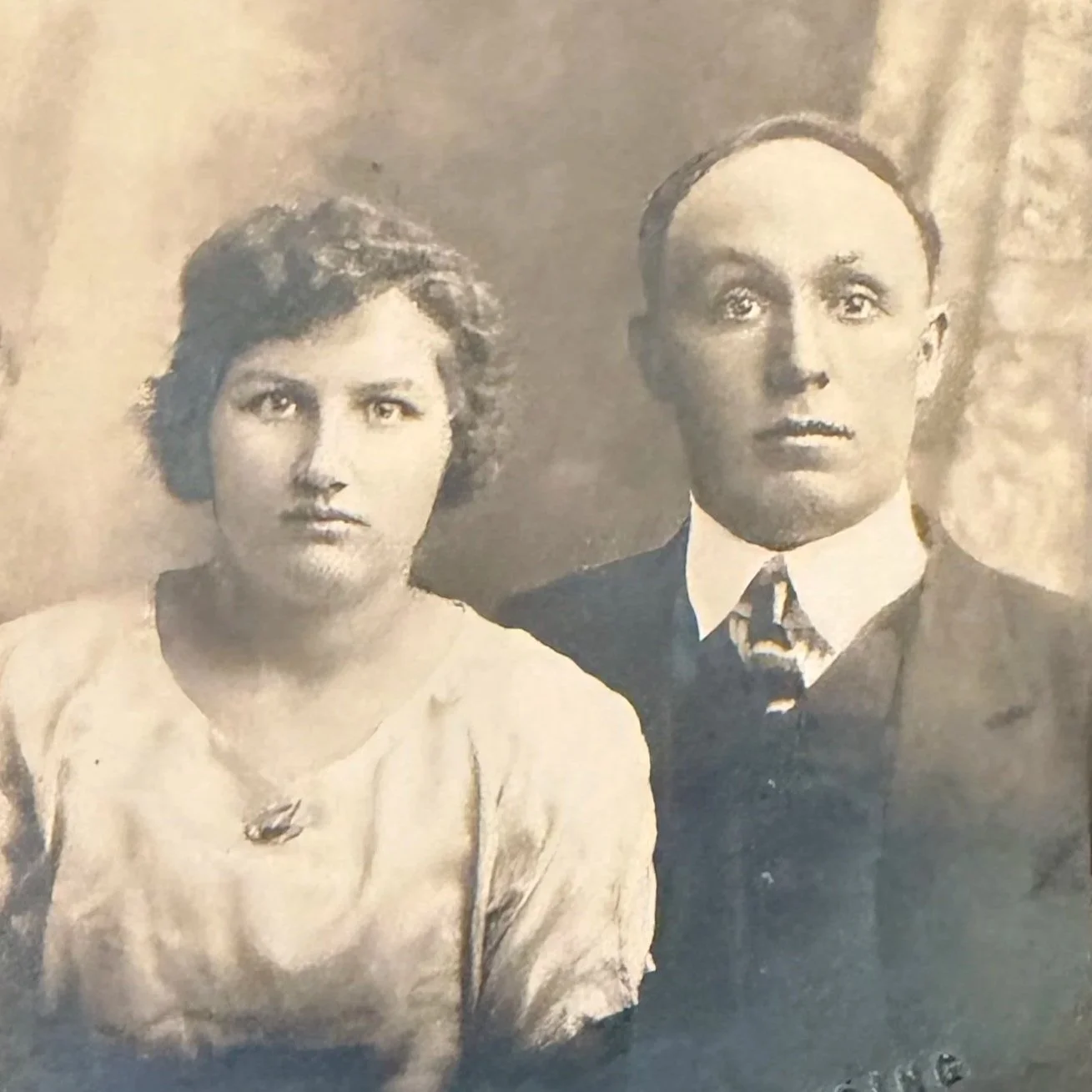
Ludwig and Theresa, 1926
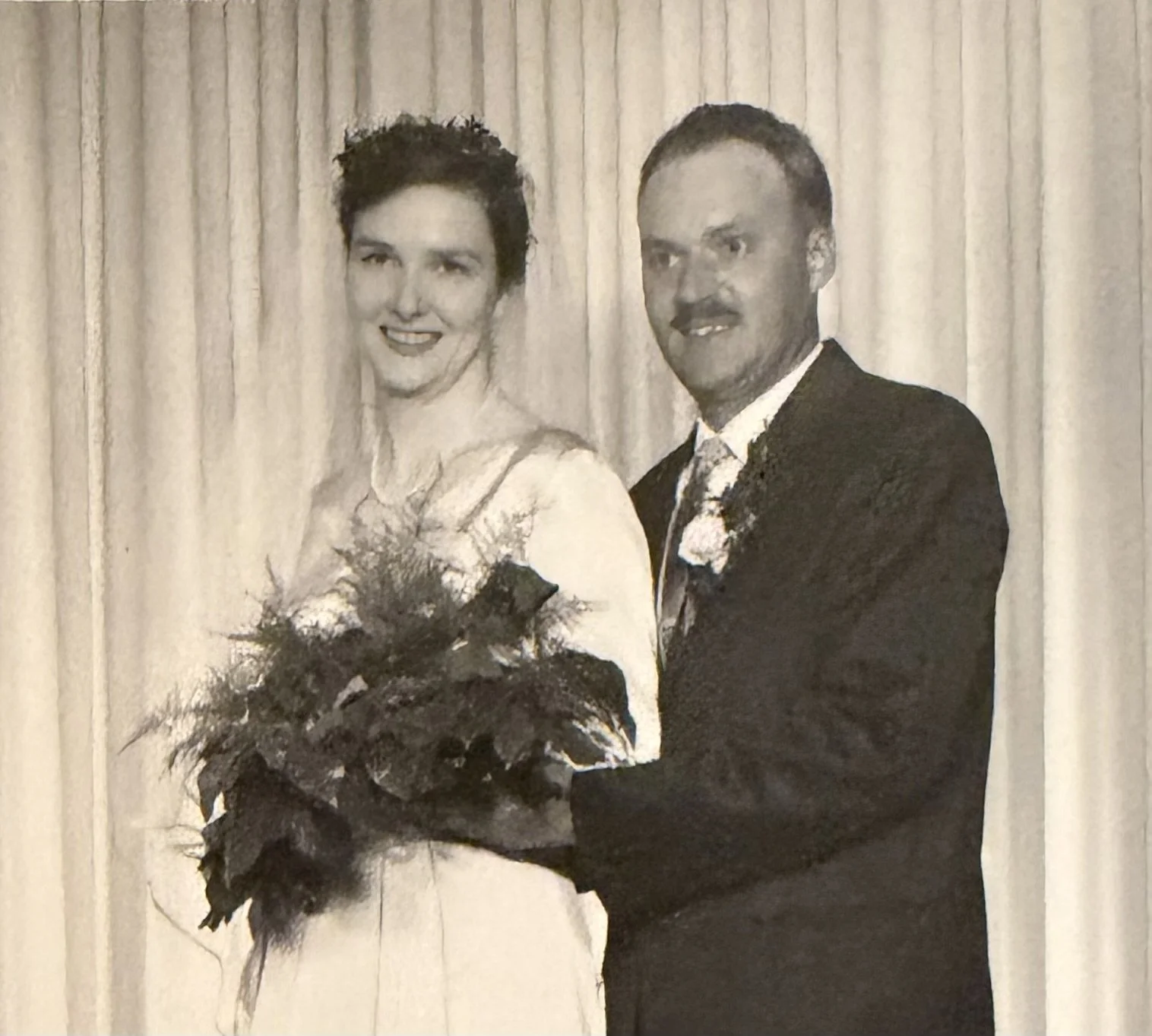
Frederick and Gertrud, 1965
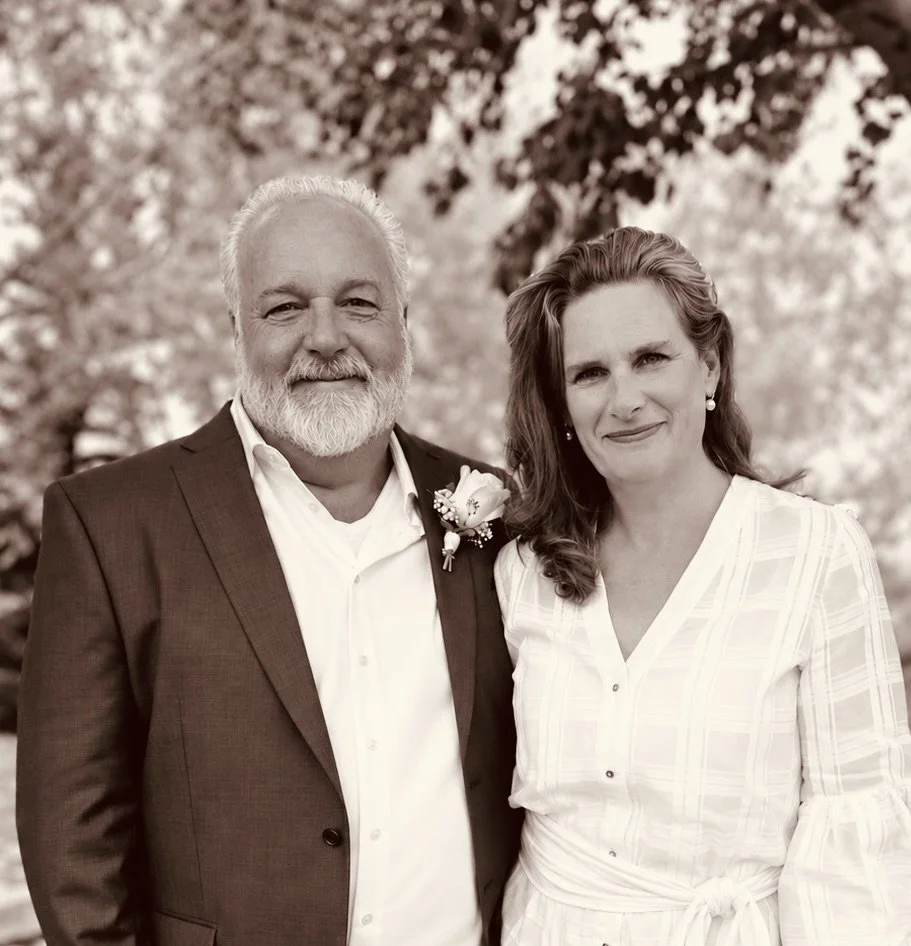
George and Samantha, 2026
Farm evolution over time…
Ludwig and Theresa Bessai immigrated to Canada from the Duchy of Bukovina, part of the Austro-Hungarian Empire in 1918 following World War 1. They chose Saskatchewan and settled on the original home quarter, being awarded the title to the land in February 1926.
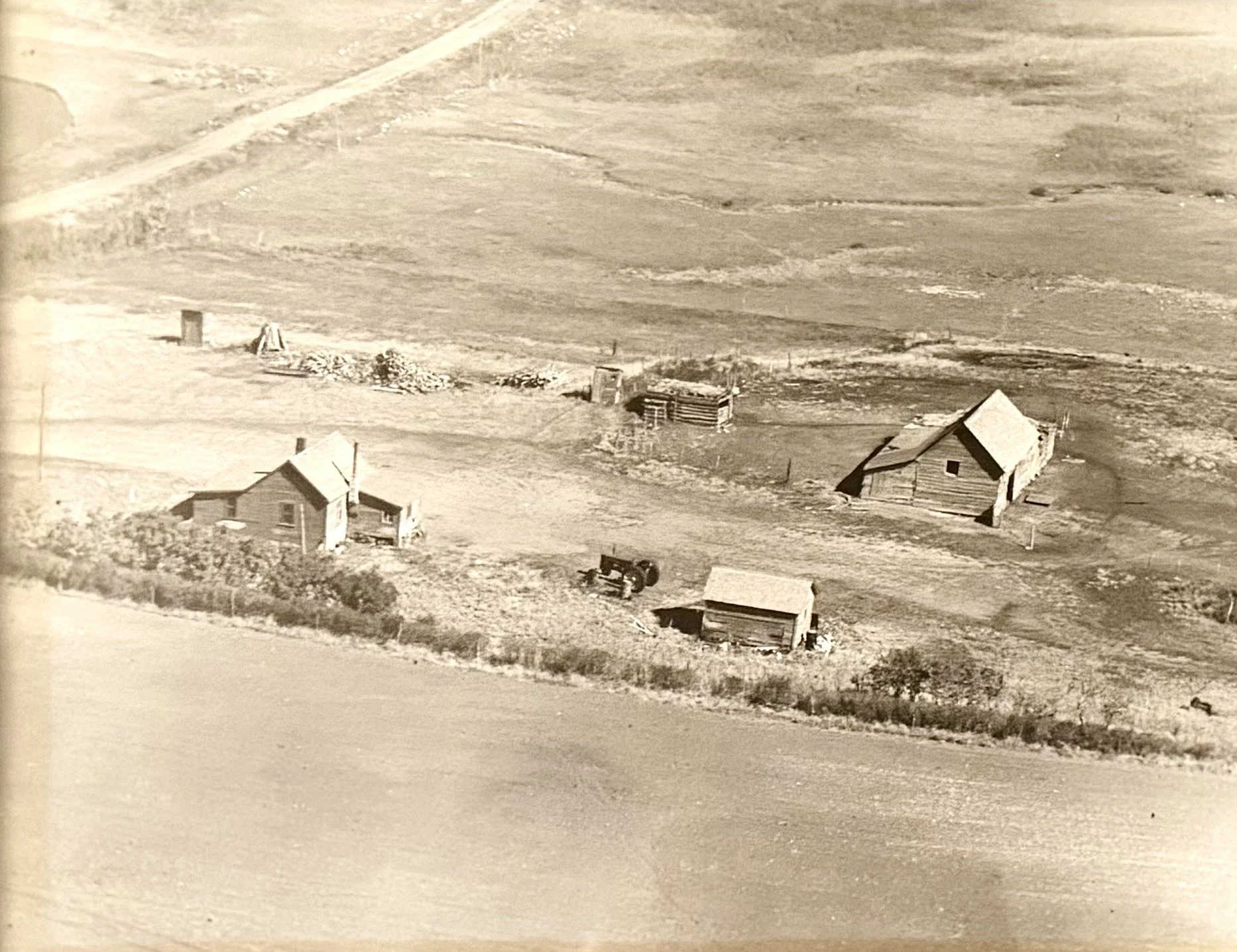
A house was originally located on a hillside on the neighbouring field to the north but soon settlement relocated into the permanent house closer to water and away from wind to the location shown in this photo from 1956.
The original farmhouse from 1926 was built of locally sourced materials and clad in cedar shiplap with cedar shingles for the roof. The windows were single panes in sash windows. There was no running water or electricity. Lighting was by kerosene lamp or candles. Heating was from a wood stove. In the 1940’s a wood fired cookstove was installed and remains to this day. Electricity was installed in the early 1970’s. To this day there is still no running water in the house.
Aside from the original farmhouse, the farm quarter consisted of original outbuildings including wood piles, chicken coops, toolshed, barn and stables. The farm focused on wheat as the principal crop and survived the Great Depression and Dustbowl of the 1930’s.
Ludwig and Theresa lived in the home until the 1950’s before moving to Southey for the later years. Their son Frederick took over farming the property when they retired from farming and remained under his custodianship until 2010.
The farm in 1926 to 1956
Frederick and his wife Gertrude continued farming in conjunction with their son George until 2013, when George took over the farming Operations upon Frederick and Gertrude’s retirement from farming.
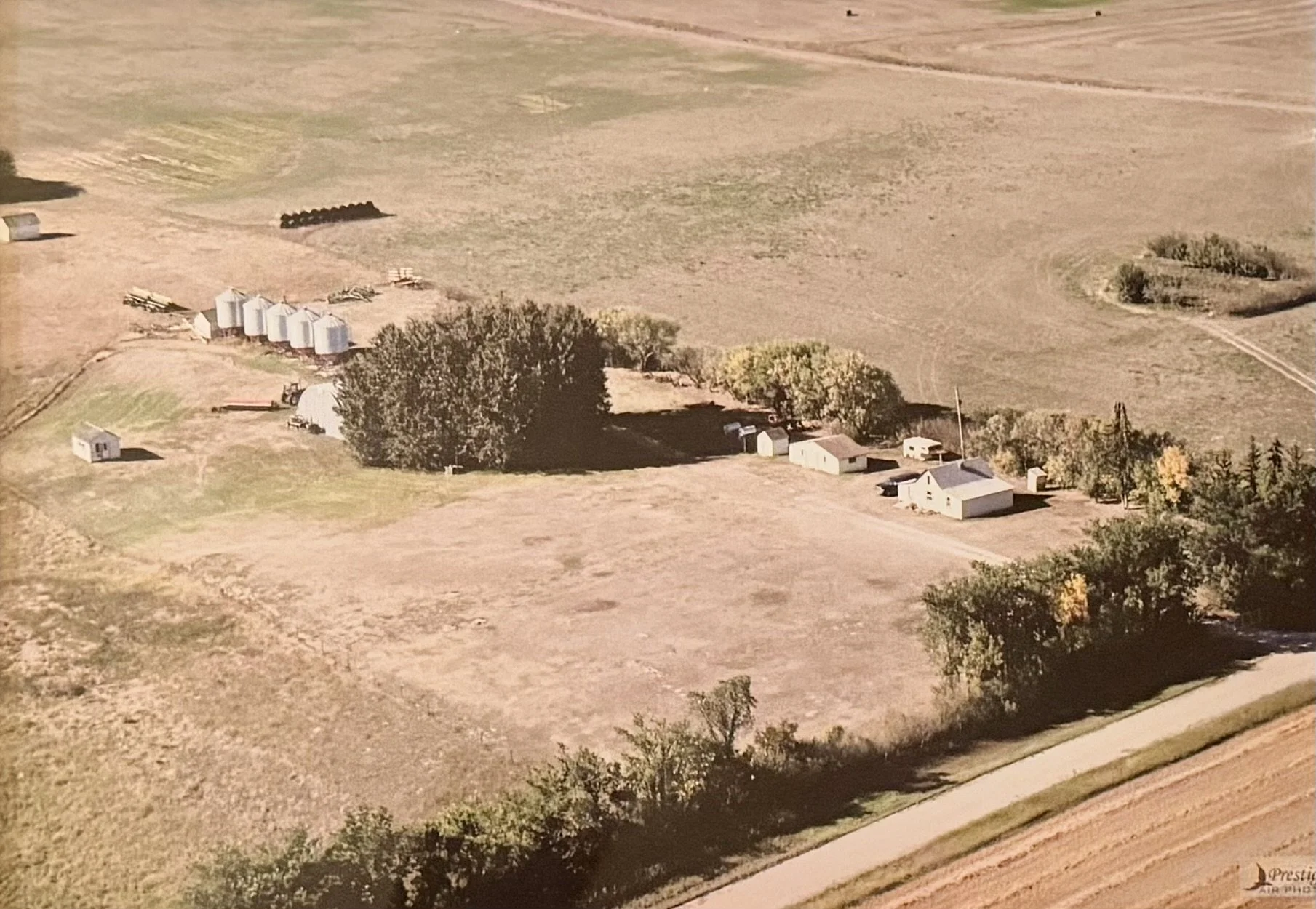
During Frederick and Gertrude’s custodianship, the farm transformed to include modern buildings including the steel shed (quonset), grain bins (silo’s), wooden workshop, fuel tanks and updated farming machinery such as combine harvesters, tractors and grain trucks.
Between 1956 through to 2013, the farm focused principally on wheat with greater improvement in crop yields through improved machinery and crop rotation principles.
The house remained and provided a living museum. Frederick, Gertrude and their children Margaret and George enjoyed time on the farm through the farming seasons - Spring, Summer and Autumn.
The farm 1956 to 2010
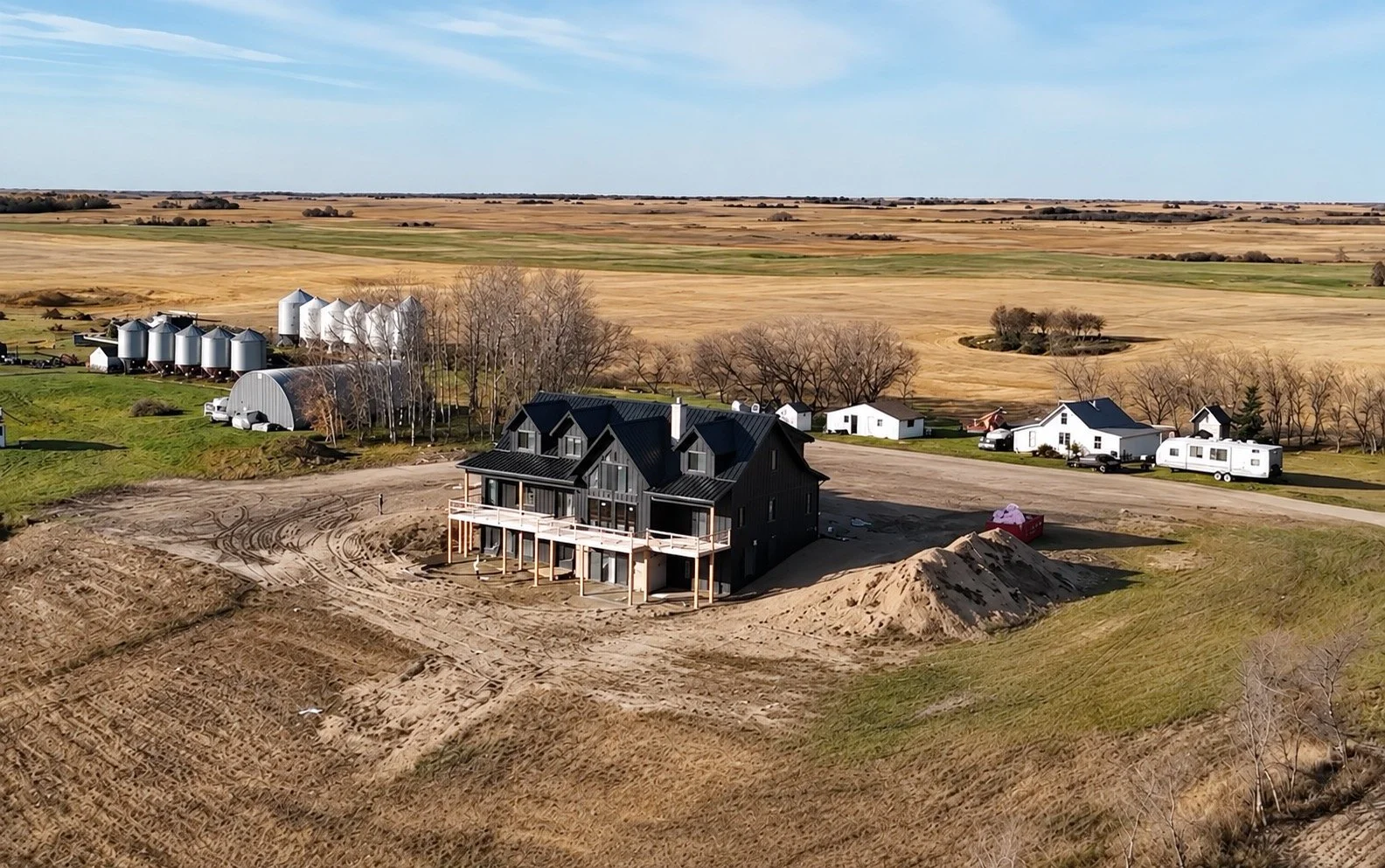
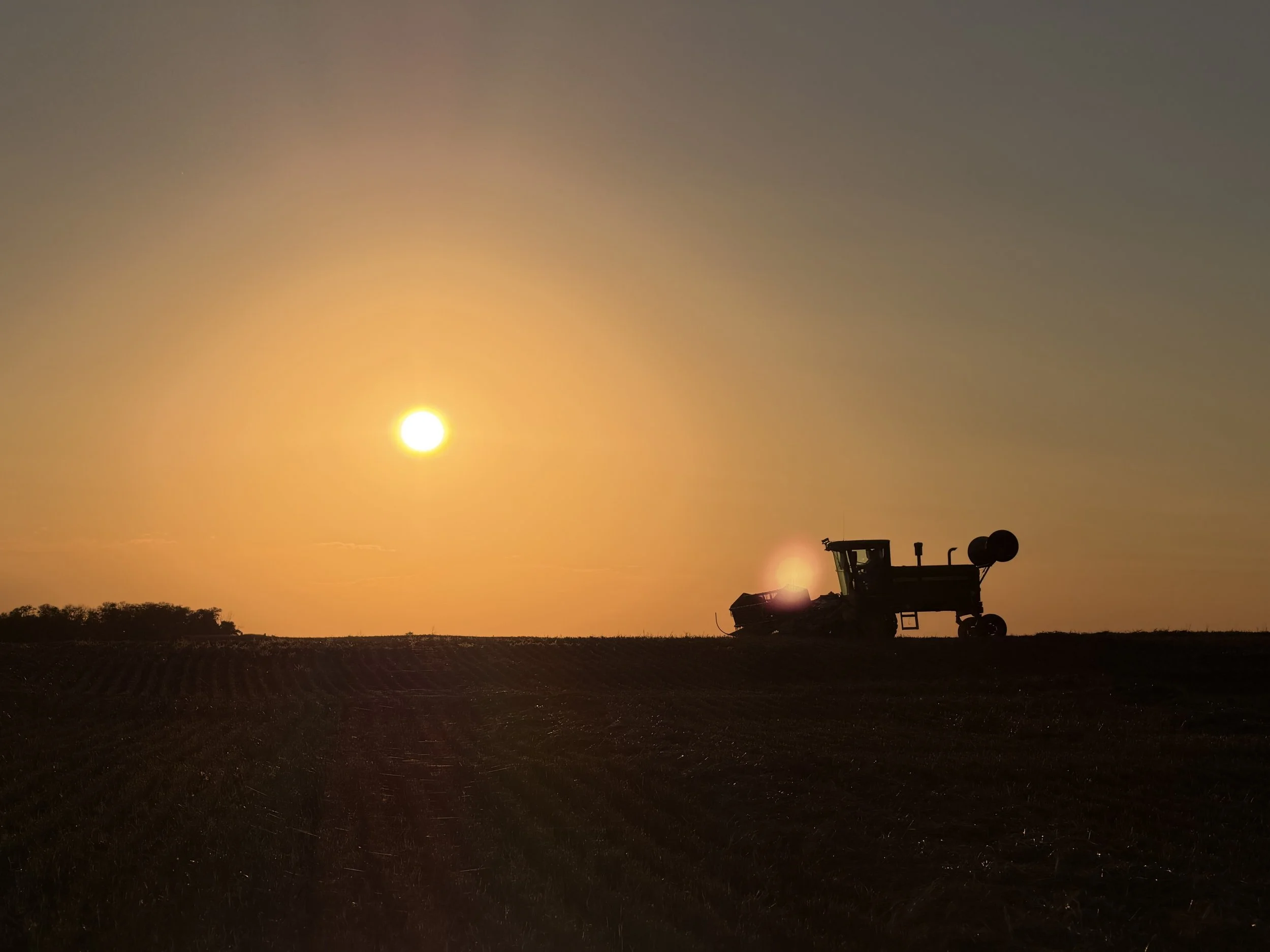
Under George’s custodianship since 2013, the farm has continued to be improved with new technologies, machinery and further diversification of crops resulting in improved yields. The farm now grows canola, wheat, oats, barley and hay.
Given George and Samantha’s marriage in April 2027, they will relocate permanently to the farm, thus re-establishing permanent occupancy on the farm home quarter, in the new farmhouse.
The new farmhouse has been established on the 100th anniversary of the farm and to be a home for generations to come.
The farm in 2026